
I’ve been maintaining Pinterest boards for World War I for a dozen years.
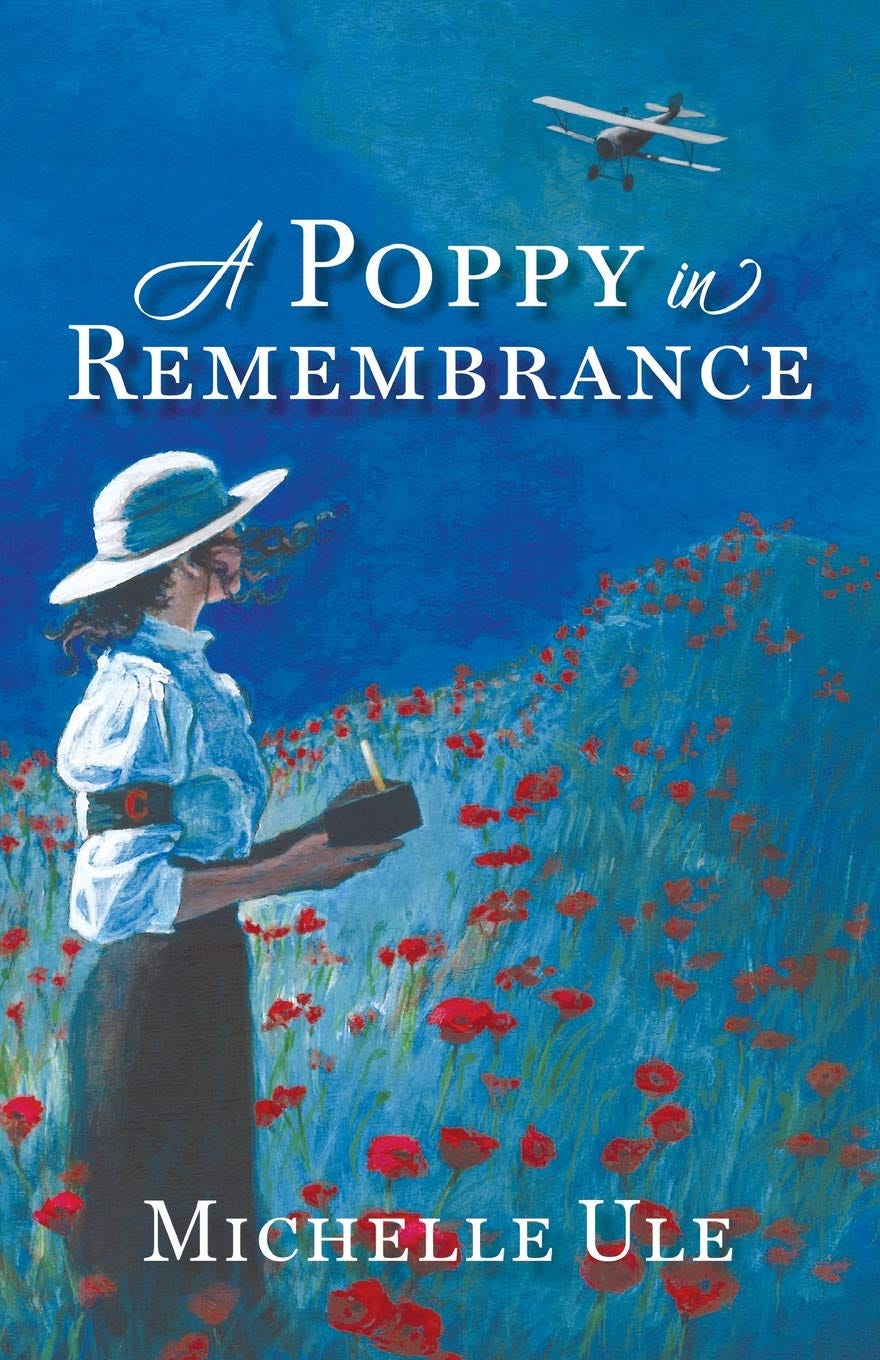
It’s part of the background for A Poppy in Remembrance, a novel set during World War I.
The novel is a coming-of-age story about a young woman growing emotionally, spiritually, and professionally during the war.
Oswald and Biddy Chambers are marquee characters in the novel, which is what started me on the research that led to my biography of Mrs. Oswald Chambers.
WWI plays a significant role in the novel, so I had to learn a lot about that war.
(Really, who in their right mind would want to learn about it otherwise?)
I’ve written a lot of posts about WWI, but I needed to see the sites of the story--and thus the hunts through Pinterest.
Pinterest Pinners Choose Sides
In 2013, when I began, almost all the pictures that came up in searches were from the Allied side — England and France, as well as the Anzac countries of Australia and New Zealand. (Anzac stands for Australia and New Zealand Army Corps).
Russian photos have crept in — usually of the czar — and, of course, the Americans are all well represented in their pride.
I noticed almost immediately that the pin sources were unbalanced by nationality. Were there no Germans, Italians, or even Ottoman army fans pinning on Pinterest?
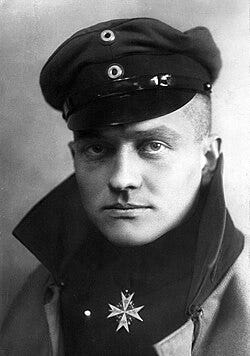
Red Baron fans posted his photos, of course.
Flyers provided plenty of boards featuring Sopwith Camels (British airplanes) and their German counterparts. Zeppelins appeared regularly as well.
The preponderance of books written from the Allied side, particularly in English, would explain some of that--to the winners go the spoils and the history books.
(The UK’s Imperial War Museum released photos, videos, and masses of documents over the years, making their materials far more accessible to English-speaking scholars, which also added to the flooding of the resources.)
As a former journalist, however, I’m skeptical.
In researching my novel, I learned how much the British government — under the original direction of former journalist/ head of the Navy, Winston Churchill — relied on propaganda.
The first thing the British government did after declaring war was to sever the German telegraph line to North America. Britain controlled the news--and it never had a good thing to say about the Kaiser’s men.
Perhaps that had something to do with the few German-themed pins on Pinterest 99 years after the war began?
The Axis Pinners finally begin to Pin
That’s still true now.
The majority of pins still come from supporters of the Allied army.
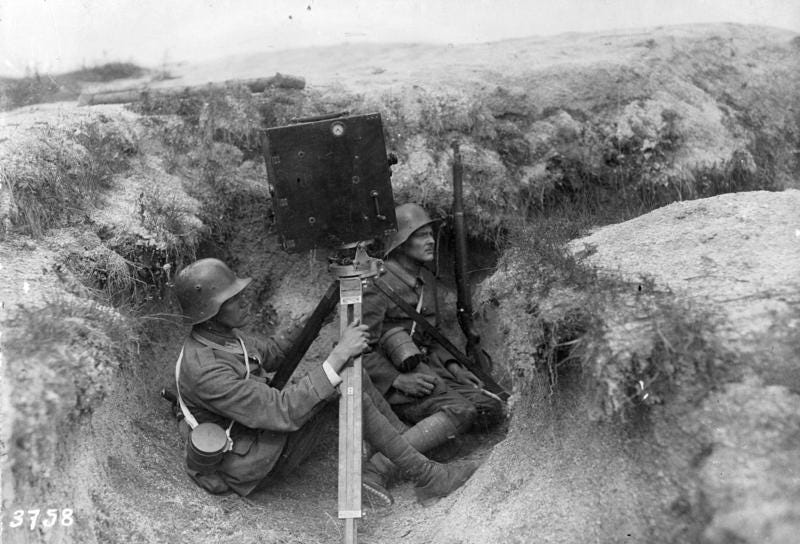
But I’m seeing more pins featuring photos of German troops, Italian army men, and even an Ottoman or two when the photos are of Gallipoli.
One morning, I saw this article about a German soldier’s photo album, which featured plenty of pin-worthy photos.
The soldiers look as young and raw as they do on the Allied side.
Research and my eyes have shown me that the Germans built better, more secure trenches. They did not suffer as much as the British and French troops did in the mud.
Some of that is because they tended to have the physical high ground.
The German army had superior training and materials.
Their people suffered just as much as anyone else. The German forces were depleted by 1918, and their people were starving.
War was terrible for them as well.
Objectivity
My grandfather served in the American Army on the side of the Allies--that’s where my heart lies.
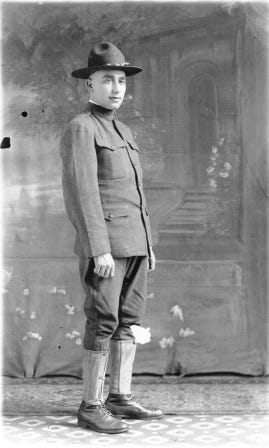
But from my journalism training, I seek objectivity — I want to read and SEE both sides.
So, I welcomed pinning photographs from the armies of Axis countries, and I’m thankful Pinterest gave me a look at a terrible war.
It’s still not pretty, but it’s important.
For the sake of our humanity, we need to know, even on a platform like Pinterest.
I maintain several WWI Pinterest boards. Here they are:
(A Poppy in Remembrance covered quite a bit of ground—from the day the war began in England, through Egypt, and finished when the war ended in France)